Few experiences compare to the calm wonder of watching a sea turtle glide past you in its natural habitat. Turtle snorkeling offers a rare chance to encounter these gentle marine creatures up close – without disturbing their world. From shallow coral gardens and volcanic reefs to quiet lagoons where green and hawksbill turtles feed, it’s an activity that combines the joy of exploration with a deep respect for marine life.
Our mission is to help travelers find the best and most responsible turtle snorkeling experiences around the world. Whether you’re planning to swim alongside turtles in Hawaii’s clear Pacific bays, drift through the turquoise lagoons of the Maldives, or explore Caribbean reefs alive with color, our guides provide practical, trustworthy information on where to go, what to expect, and how to prepare. We focus on safety, sustainability, and authenticity – helping you choose tours and locations that protect local ecosystems while delivering unforgettable encounters.
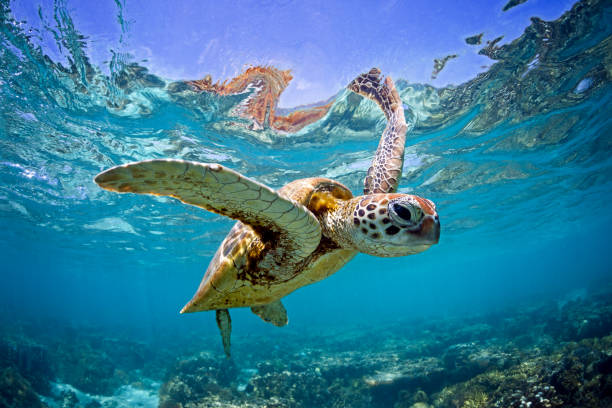
Turtle Snorkeling in Hawaii
Hawaii is one of the most accessible places in the world to swim with sea turtles. The islands’ warm waters are home to thriving turtle populations, especially around Oahu, Maui, the Big Island, and Kauai. Snorkelers can often spot turtles grazing on algae-covered reefs just meters from shore.
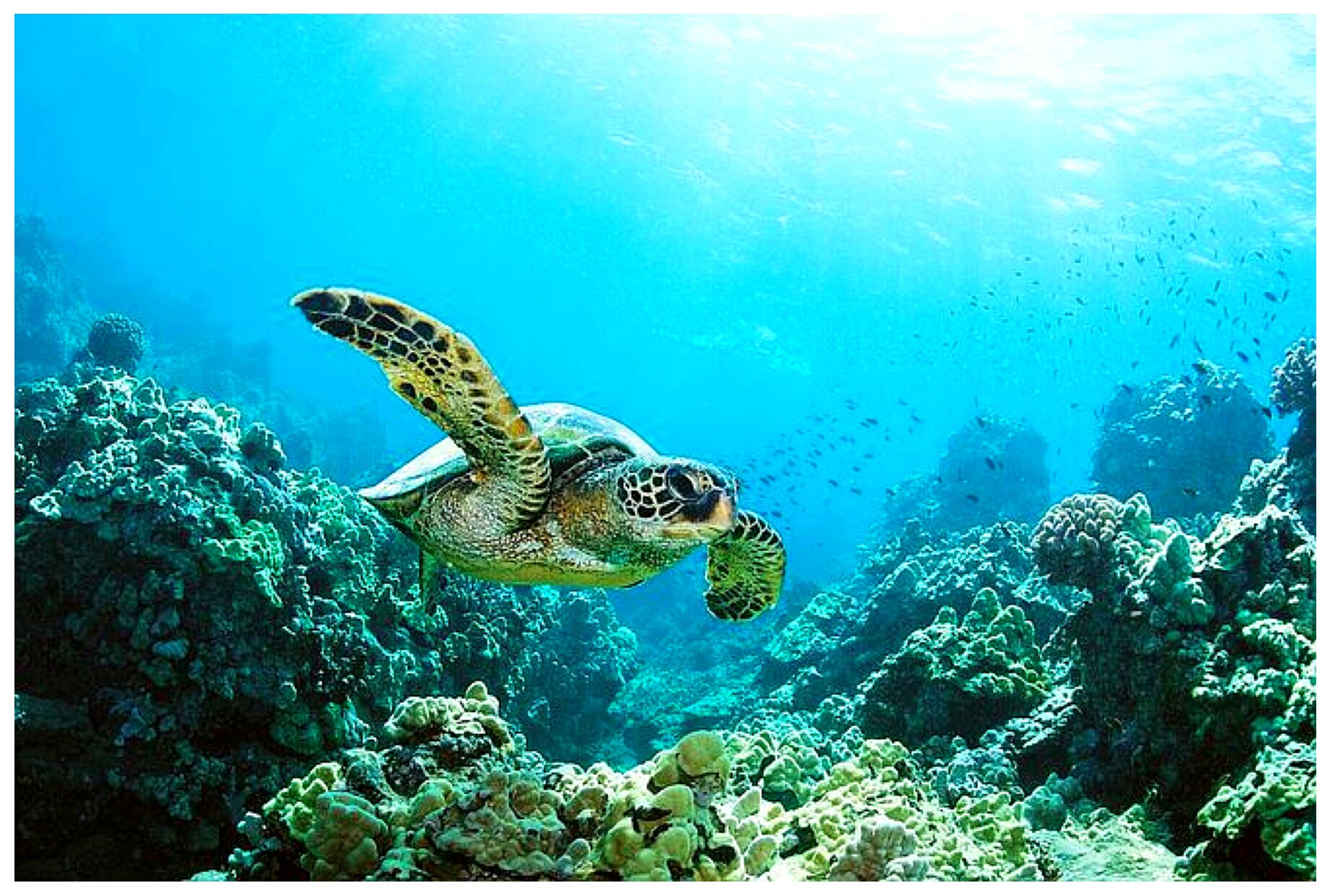
Turtle Canyon, Oahu
Located just off Waikiki Beach, Turtle Canyon is the most famous turtle snorkeling site in Hawaii. Here, green sea turtles gather to have their shells cleaned by reef fish, often in just 10–20 feet of water. The calm conditions make it ideal for beginners and families, and most tours include snorkeling gear, flotation, and a marine guide.
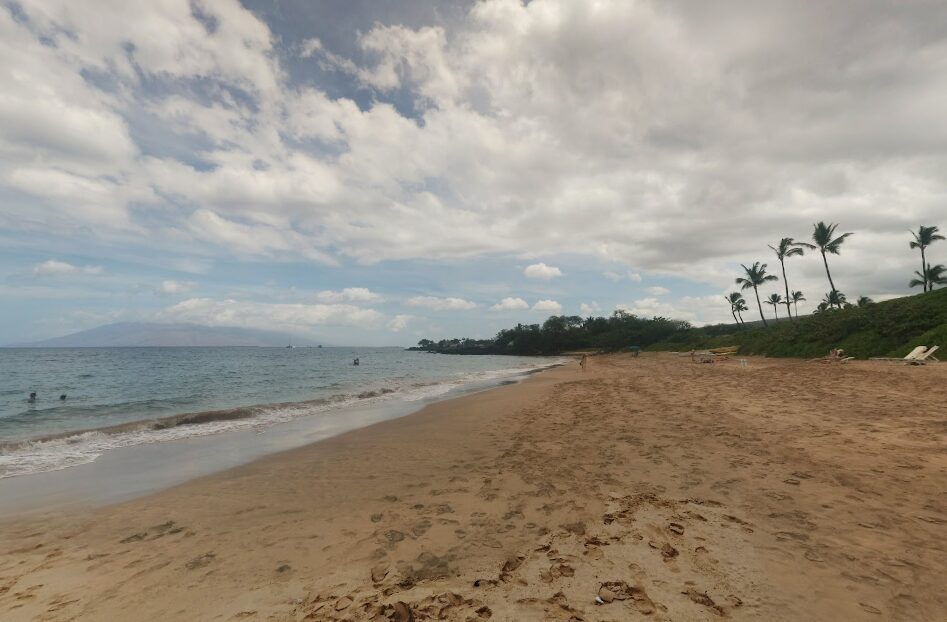
Turtle Town, Maui
Located near Makena Landing in South Maui, Turtle Town is one of the best-known spots for swimming with turtles. The reef’s lava formations create natural resting and feeding areas, making it a reliable location for sightings throughout the year. Most tours combine Turtle Town with Molokini Crater for a full snorkeling experience.
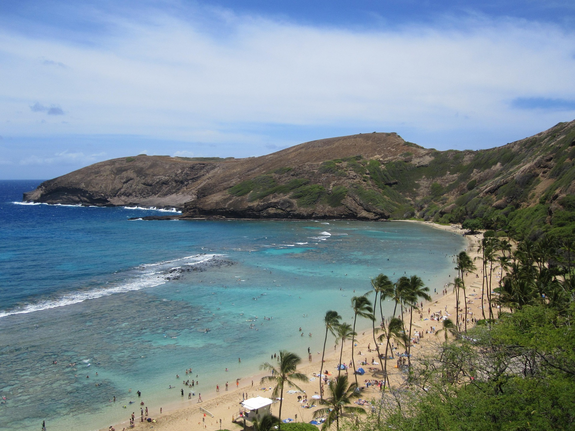
Hanauma Bay, Oahu
A protected marine life conservation area, Hanauma Bay offers excellent conditions for snorkeling and observing turtles close to shore. The bay’s calm, shallow waters are home to vibrant coral and reef fish, and turtles frequently graze along the sandy edges. Entry is managed by timed reservations to protect the reef ecosystem.
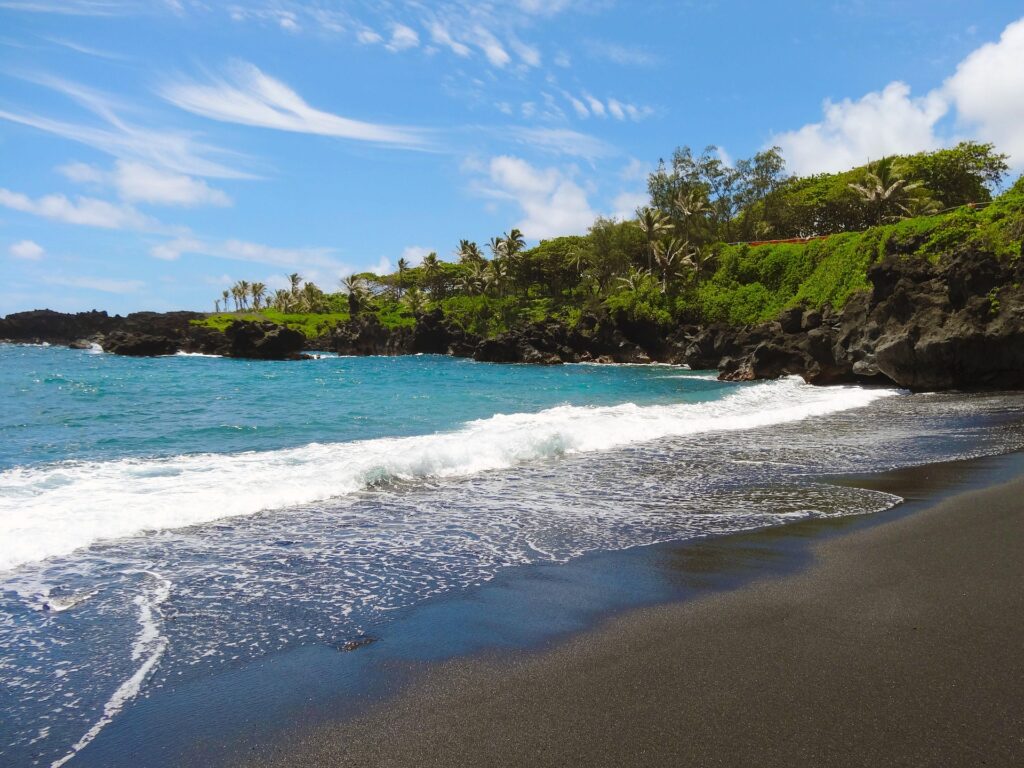
Punaluʻu Black Sand Beach – Big Island
Famous for its striking volcanic shoreline, Punaluʻu Beach is a favorite resting place for Hawaiian green sea turtles. While the surf can make snorkeling tricky, the turtles are often seen basking on the warm black sand or feeding in the shallow lava-rock pools near the shore.
Maldives
The Maldives is a dream destination for turtle lovers, offering crystal-clear lagoons and vibrant reefs protected by marine sanctuaries. Hawksbill and green turtles can be seen year-round in the Ari Atoll and South Malé Atoll, often alongside reef sharks and manta rays.
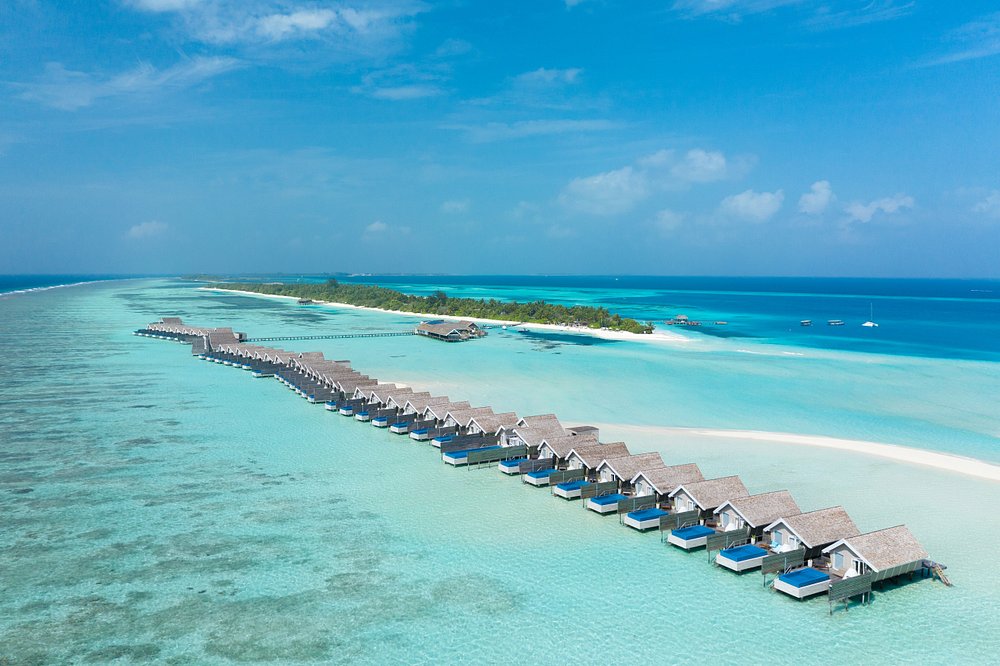
Ari Atoll (North & South)
The Ari Atoll, divided into North and South regions, is one of the Maldives’ most reliable areas for turtle encounters. Both hawksbill and green turtles thrive here year-round, often seen around coral bommies and lagoon edges just a few meters below the surface. With luxury resorts and eco-lodges scattered across the atoll, guided snorkeling trips combine turtle watching with manta and whale shark encounters.
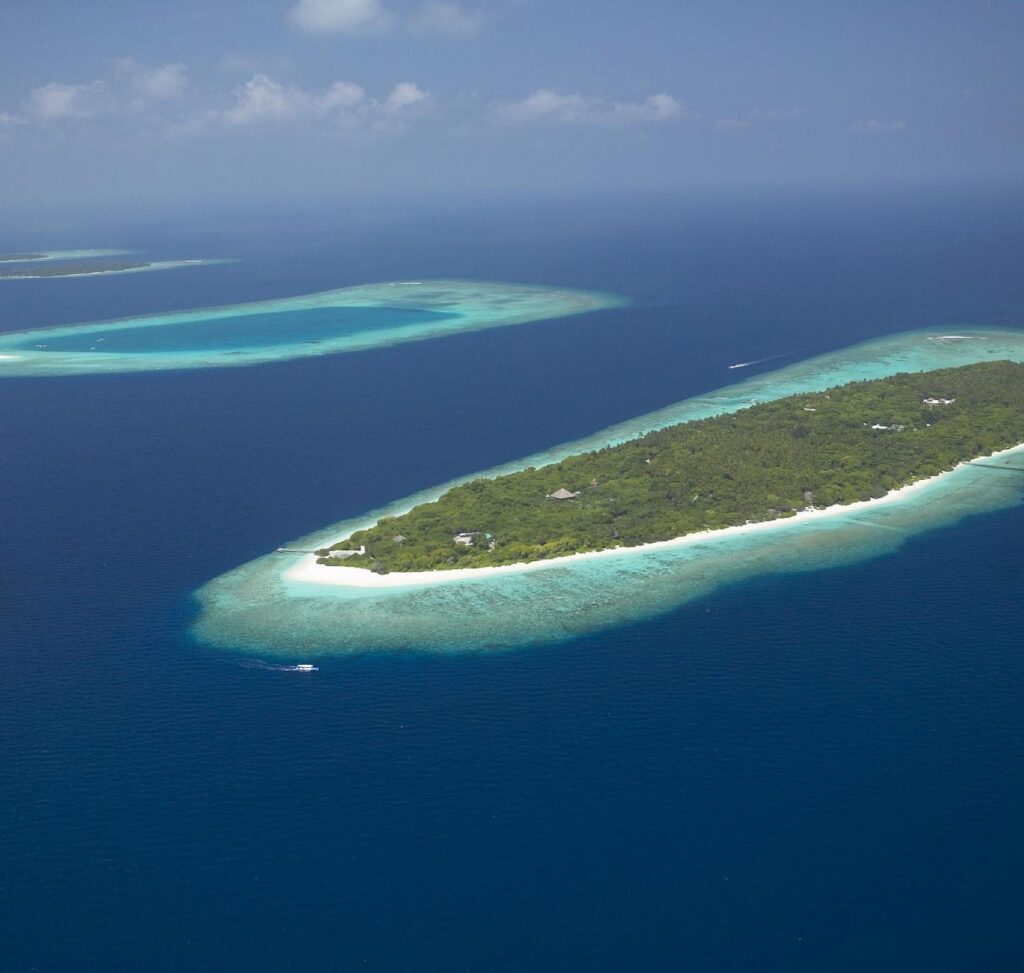
Baa Atoll (UNESCO Biosphere Reserve)
Recognized as a UNESCO Biosphere Reserve, Baa Atoll offers pristine reefs and exceptional marine life diversity. The warm, shallow waters of Hanifaru Bay attract not only manta rays but also numerous green and hawksbill turtles that feed along the reef’s outer edge. Conservation rules limit the number of snorkelers per site, ensuring peaceful and sustainable encounters.
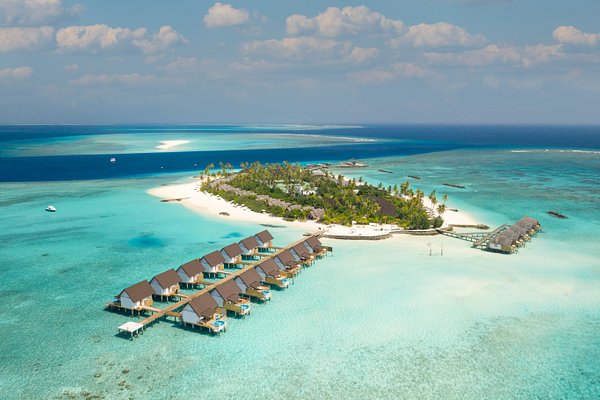
Lhaviyani Atoll
A quieter alternative to the Maldives’ central atolls, Lhaviyani features crystal lagoons with coral gardens that serve as turtle feeding grounds. Resorts here, such as Kuredu and Komandoo, often run daily snorkeling safaris where visitors can spot multiple turtles per trip. Visibility regularly exceeds 30 meters, and the waters are calm enough for beginners.
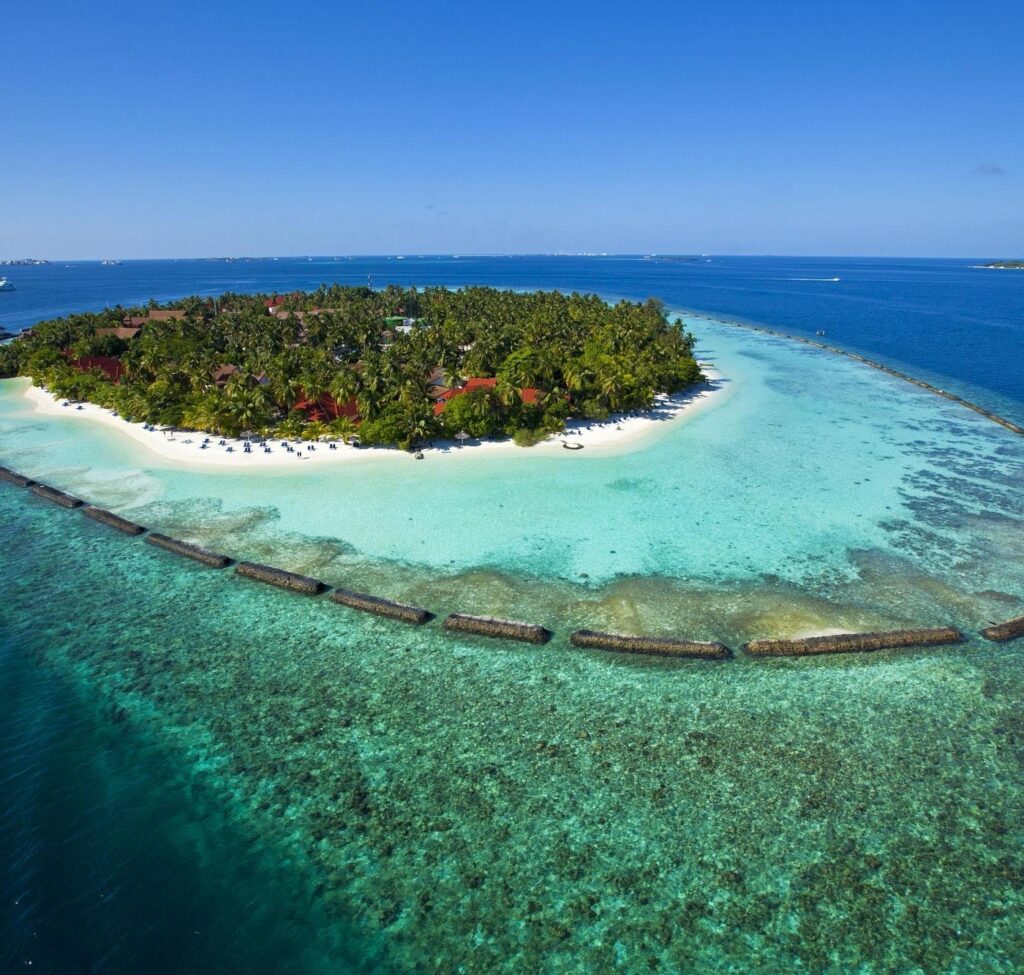
North Malé Atoll
Just a short boat ride from the capital, North Malé Atoll offers some of the easiest and most accessible turtle snorkeling in the country. Reefs near Thulusdhoo, Bandos, and Baros host thriving turtle populations, making this region ideal for travelers staying near Malé or visiting on a short stay. Guided excursions also include reef conservation briefings, making it perfect for first-time visitors.
Carribean
The Caribbean combines laid-back island charm with fantastic snorkeling conditions. From Barbados’ Turtle Bay and Paynes Bay to Turks and Caicos’ Grace Bay, crystal waters and calm currents make it easy for beginners to enjoy unforgettable encounters.
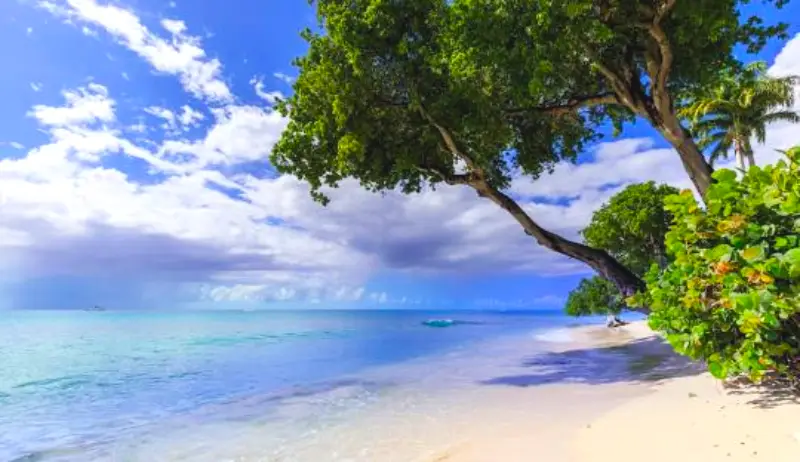
Paynes Bay – Barbados
Calm turquoise waters and reliable turtle sightings make Paynes Bay one of the Caribbean’s most famous turtle snorkeling locations. Hawksbill and green turtles feed close to the surface, often within a few meters of anchored catamarans.
Local tour operators run small-group cruises from Bridgetown and Holetown, providing masks, fins, and professional guides. Morning trips usually offer the best visibility and calmer seas.
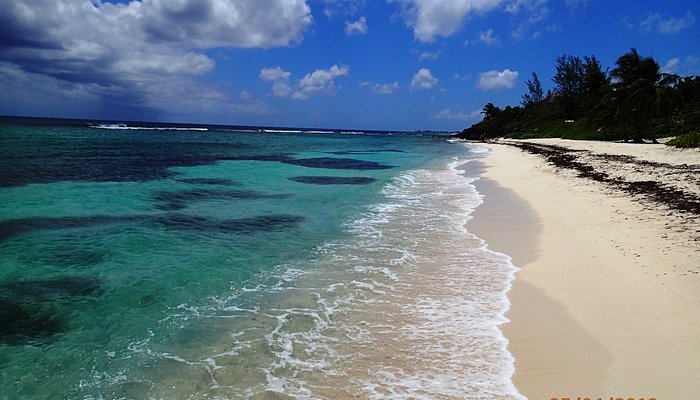
Spotts Beach – Grand Cayman
Spotts Beach on Grand Cayman is one of the rare places where turtles can be seen almost daily without booking a tour. Green turtles frequent the shallow seagrass beds just offshore, especially in the early morning before the winds pick up.
The area is uncommercialized – no entrance fee, no crowds, and no pressure – just you, your snorkel gear, and the turtles.
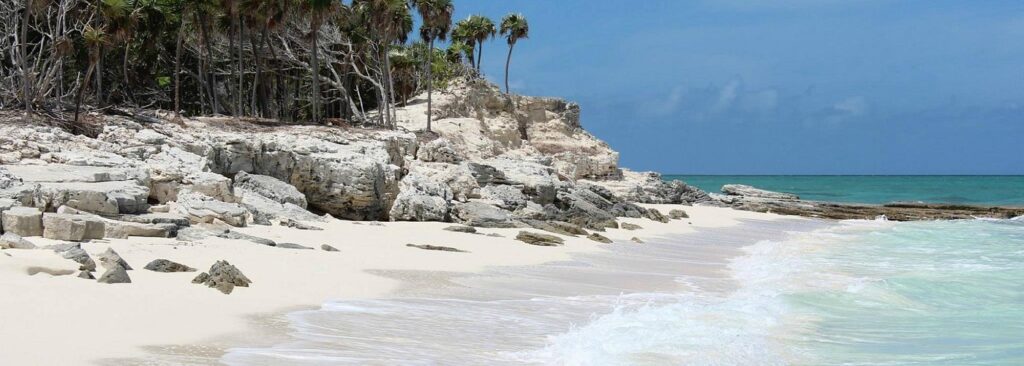
Grace Bay – Turks & Caicos
With its crystal-clear lagoon and vibrant coral heads, Grace Bay offers excellent chances to see hawksbill turtles gliding through shallow reefs. The calm water and soft sand make it ideal for first-time snorkelers and families.
Many tours combine Grace Bay with nearby Smith’s Reef, where turtles, stingrays, and colorful reef fish gather in abundance.
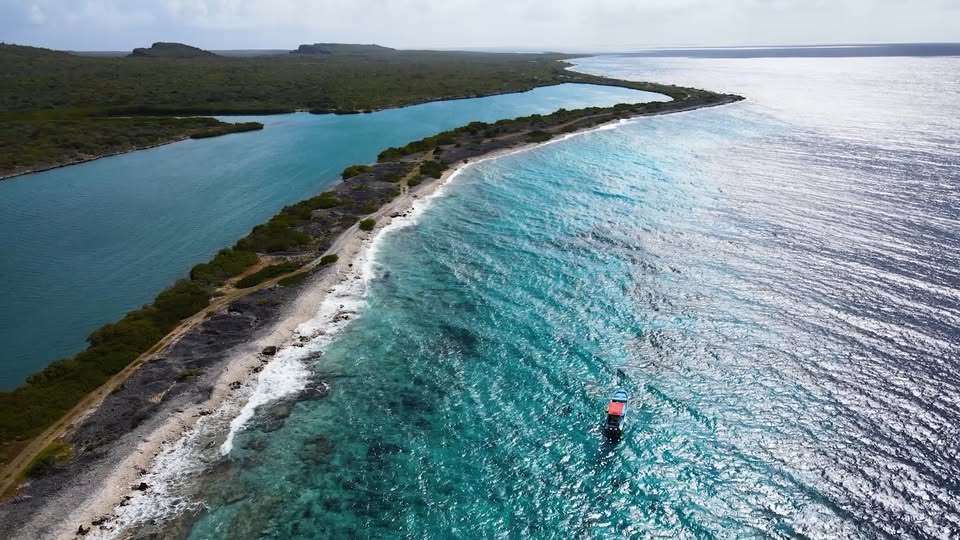
Curaçao Marine Park – Curaçao
A UNESCO-protected marine reserve, Curaçao Marine Park encompasses over 20 kilometers of coral reef and multiple turtle cleaning stations. Green and hawksbill turtles are often spotted around Playa Grandi and Klein Curaçao, a small island reached by day cruise.
Excellent visibility, structured conservation programs, and easy shore entry make it one of the Caribbean’s most rewarding snorkeling destinations.
Australia
Australia’s coastline is dotted with world-class turtle habitats, from the Great Barrier Reef in Queensland to Ningaloo Reef in Western Australia. These ecosystems host six of the world’s seven sea turtle species, offering opportunities to see them nesting, feeding, and swimming freely.
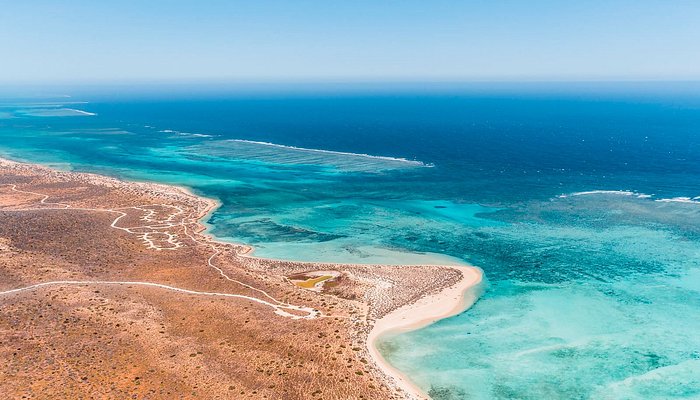
Ningaloo Reef – Western Australia
A UNESCO World Heritage Site, Ningaloo Reef is one of the most accessible and rewarding turtle snorkeling destinations in the world. The reef lies just meters from shore, allowing visitors to swim with green, loggerhead, and hawksbill turtles directly from beaches like Turquoise Bay and Coral Bay.
Calm lagoons, crystal-clear water, and nesting sites along the coast make Ningaloo ideal for both casual snorkelers and wildlife photographers.
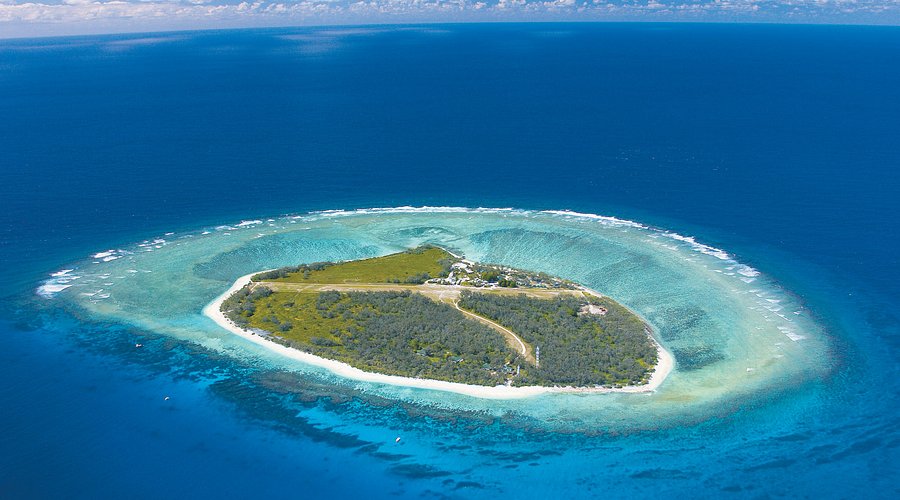
Lady Elliot Island – Great Barrier Reef
Known as the “Home of the Turtles,” Lady Elliot Island is a coral cay located at the southern tip of the Great Barrier Reef. The island’s reef flat hosts hundreds of resident turtles, and sightings are almost guaranteed year-round.
Visitors can snorkel right from the beach or join guided lagoon tours, with visibility reaching 20–30 meters. As an eco-resort island, Lady Elliot also promotes strong conservation initiatives and reef education.
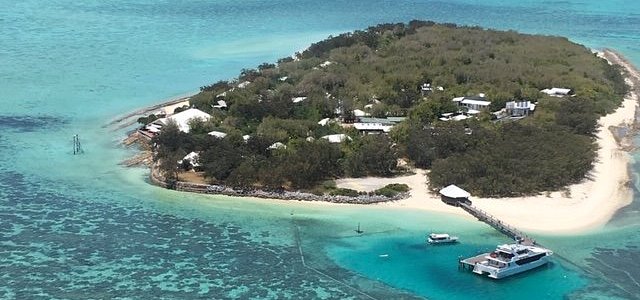
Heron Island – Queensland
Another coral cay on the southern Great Barrier Reef, Heron Island offers incredible snorkeling directly off the beach. Green and loggerhead turtles feed among coral gardens, while nesting season (November–March) gives guests a chance to witness hatchlings reaching the sea.
Calm conditions and clear, shallow water make Heron Island perfect for beginners or families looking for an immersive turtle experience.
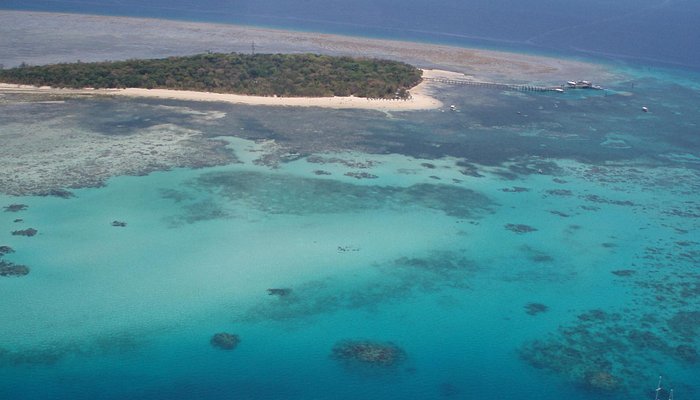
Green Island – Great Barrier Reef
Located just 45 minutes from Cairns, Green Island is one of the most accessible spots to snorkel with turtles on the Great Barrier Reef. The island’s fringing reef is home to green turtles that can often be spotted within meters of the jetty.
Ideal for short visits or day trips, Green Island combines tropical beaches with easy snorkeling conditions, making it a favorite among first-time reef explorers.
Zanzibar & East Africa
Fringed by turquoise lagoons and rich coral ecosystems, Zanzibar and the East African coast offer some of the most rewarding turtle snorkeling in the Indian Ocean. From the world-famous Mnemba Atoll to the serene reefs of Mafia Island, this region combines warm, clear waters with thriving marine life and a growing focus on sustainable, community-based tourism.
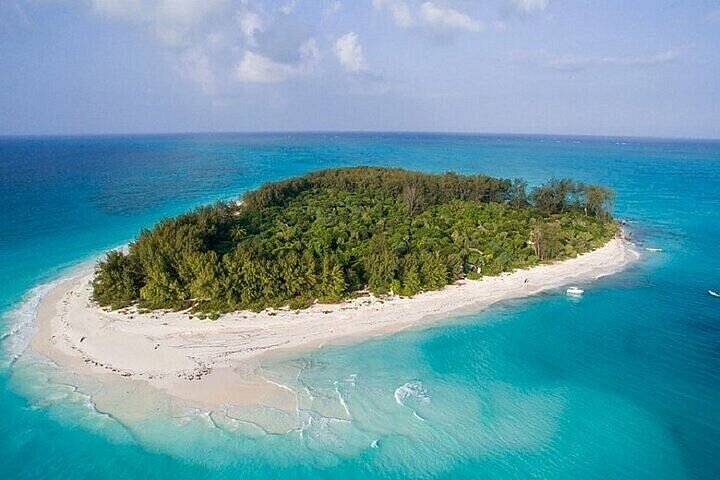
Mnemba Atoll Marine Reserve – Zanzibar
The Mnemba Atoll is Zanzibar’s crown jewel for turtle snorkeling. Located off the northeast coast near Matemwe, this protected marine reserve offers calm turquoise waters, coral gardens, and year-round turtle sightings.
Green and hawksbill turtles glide along shallow reefs where visibility often exceeds 25 meters. Local operators run half-day snorkeling trips with certified guides and eco-briefings to protect the fragile coral.
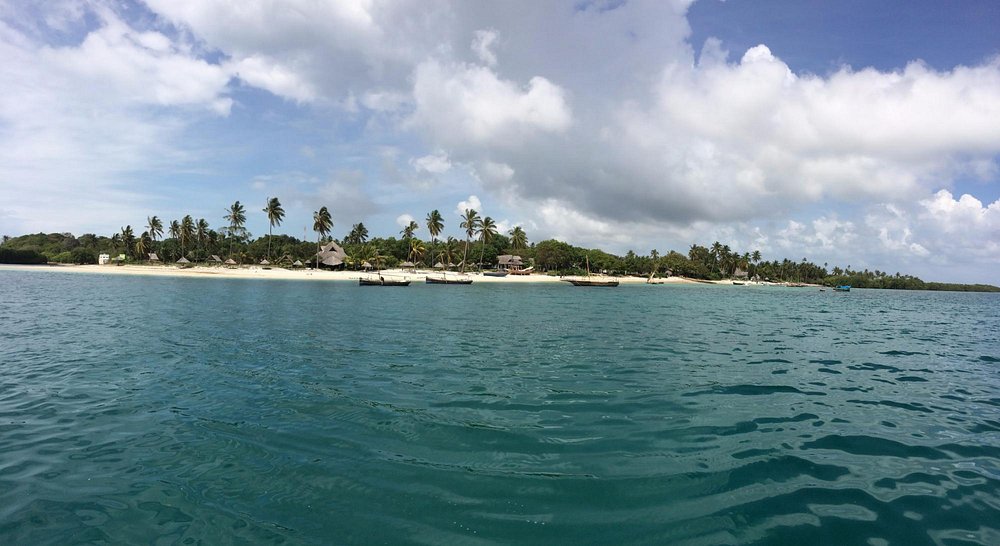
Mafia Island Marine Park – Tanzania
A quiet alternative to Zanzibar, Mafia Island is a pristine marine sanctuary teeming with sea turtles, whale sharks, and vibrant coral life. Both hawksbill and green turtles nest on its beaches and can be seen feeding on the reefs surrounding Chole Bay.
The waters are calm and shallow – perfect for beginner snorkelers and underwater photography.
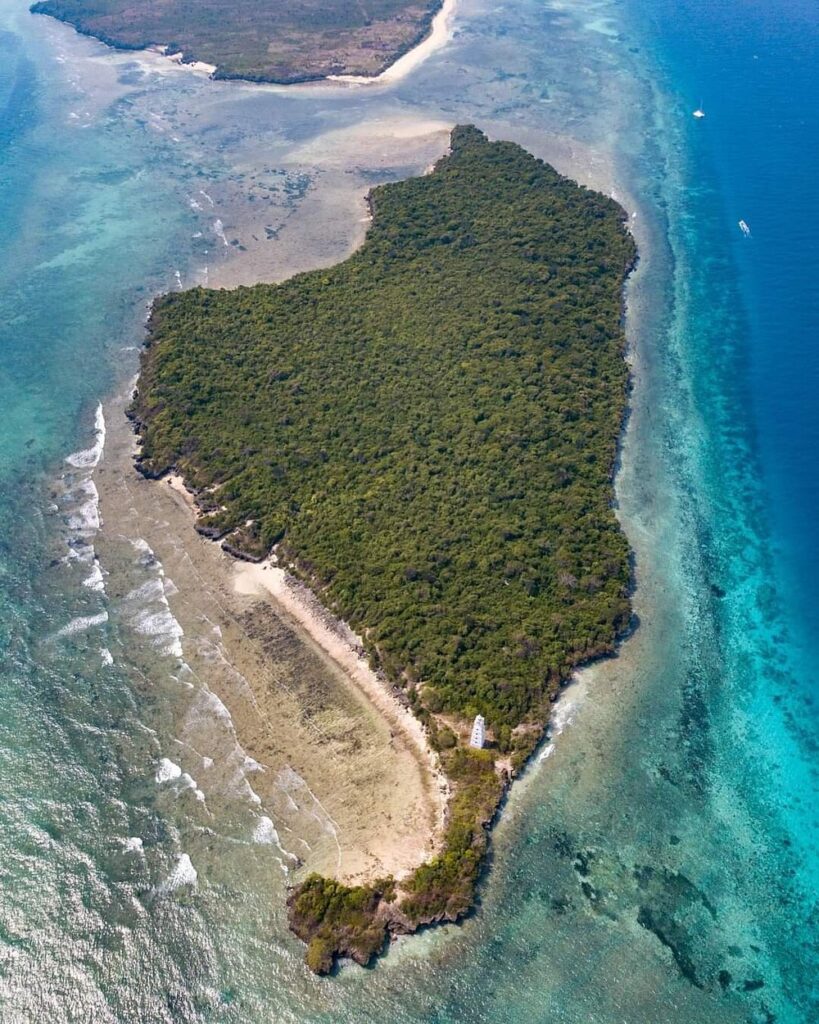
Tumbatu Island – Zanzibar
Just north of Nungwi, Tumbatu Island remains one of Zanzibar’s best-kept secrets. The reef around the island hosts healthy coral formations and numerous green turtles that forage in the seagrass beds.
Visits are limited to local tours operated by Tumbatu’s residents, ensuring responsible tourism that benefits the community.
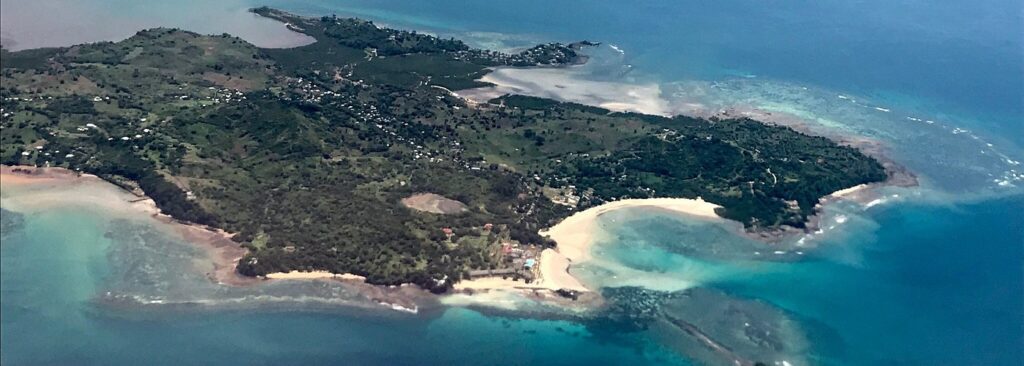
Nosy Be – Madagascar
Across the Mozambique Channel, Nosy Be in northern Madagascar offers world-class snorkeling in warm, turtle-rich waters. Around Nosy Tanikely Marine Reserve, hawksbill turtles swim close to the surface among soft corals and schooling fish.
Visibility can exceed 30 meters, and the calm lagoon environment makes it suitable for beginners.
Snorkeling Tips and Safety
Learn how to stay safe, protect marine life, and make the most of your underwater adventure. Discover essential gear advice, best practices for respecting wildlife, and tips to ensure a stress-free snorkeling experience in Hawaii’s waters.
The history of snorkeling in Hawaii
Snorkeling in Hawaii offers a window into the vibrant marine ecosystems that have captivated both locals and visitors for[…]
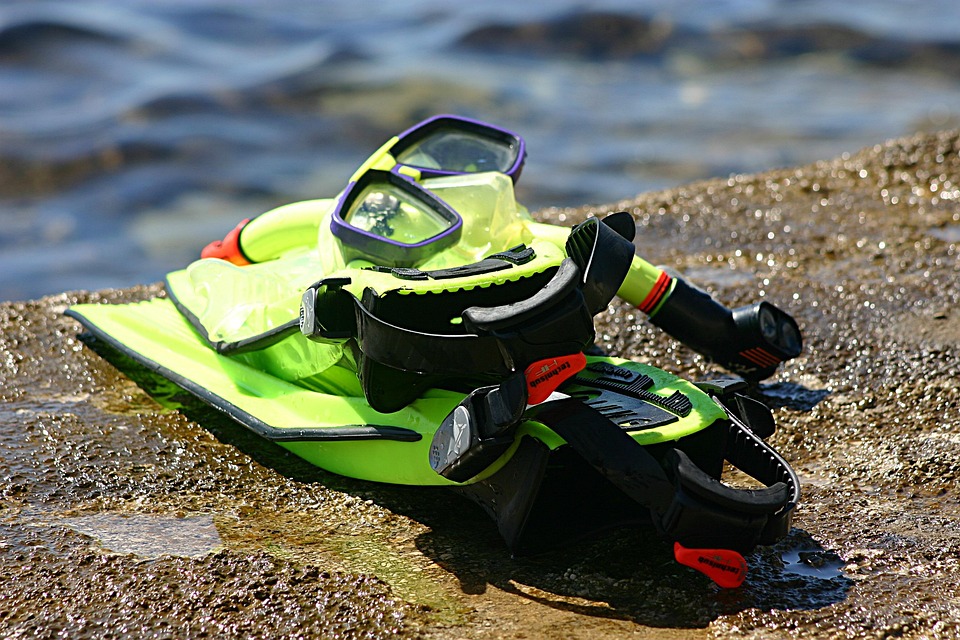
Snorkeling Gear Selection Guide
Snorkeling is one of the most accessible ways to explore the ocean, requiring minimal equipment compared to scuba diving.[…]
Conservation
Respect Hawaii’s fragile marine ecosystems by practicing eco-friendly habits.
From choosing reef-safe sunscreen to keeping a safe distance from turtles, small actions can help preserve these vibrant underwater habitats for future generations.
Consider supporting local conservation initiatives to ensure Hawaii’s reefs remain a paradise for both marine life and snorkelers alike
Protect Coral Reefs: Why Every Snorkeler Should Care
Coral reefs are often called the “rainforests of the sea” for their incredible biodiversity and vital role in supporting[…]
Frequently Asked Questions
Do I need prior snorkeling experience?
Not necessarily! Many tours cater to beginners by offering basic instruction and shallow-water practice. Still, comfort in the ocean and basic swimming skills are recommended.
What’s the best time of day to see turtles?
Early mornings typically have calmer waters and fewer crowds, making it easier to spot turtles. Visibility also tends to be better before the afternoon winds pick up.
Which island has the most turtle sightings?
All of Hawaii’s main islands have excellent turtle-spotting opportunities. Maui and Oahu are well-known for frequent sightings, but Kauai and the Big Island also offer unique experiences.
How close can I get to the turtles?
State regulations require keeping at least 10 feet (3 meters) away from sea turtles. Touching or harassing them is illegal and can harm the animals.
Do I need to bring my own gear?
It’s up to you! Most tours provide gear (mask, snorkel, fins). If you plan to explore independently, you can rent gear or bring your own to ensure a perfect fit.
Is reef-safe sunscreen really necessary?
Yes! Traditional sunscreens contain chemicals that can bleach coral reefs. Using reef-safe sunscreen helps protect Hawaii’s delicate underwater ecosystems.