Turtle snorkeling in Africa offers some of the most captivating encounters with marine life anywhere in the world. Bounded by the Atlantic, Indian, and Red Seas, the continent provides exceptional opportunities to see sea turtles gliding gracefully through coral reefs, seagrass meadows, and protected marine parks. From the crystal-clear waters of Zanzibar and the Red Sea to the remote archipelagos off West Africa, each region offers its own distinctive snorkeling experience.
What sets the continent apart is the combination of relatively untouched marine reserves, warm tropical waters, and fewer crowds than in more commercialized destinations. However, not every location offers the same reliability or conservation standards. Your experience will depend on the season, local turtle protection efforts, and the quality of the tour operator you choose. Here are some of the best places in Africa for turtle snorkeling.
Zanzibar, Tanzania
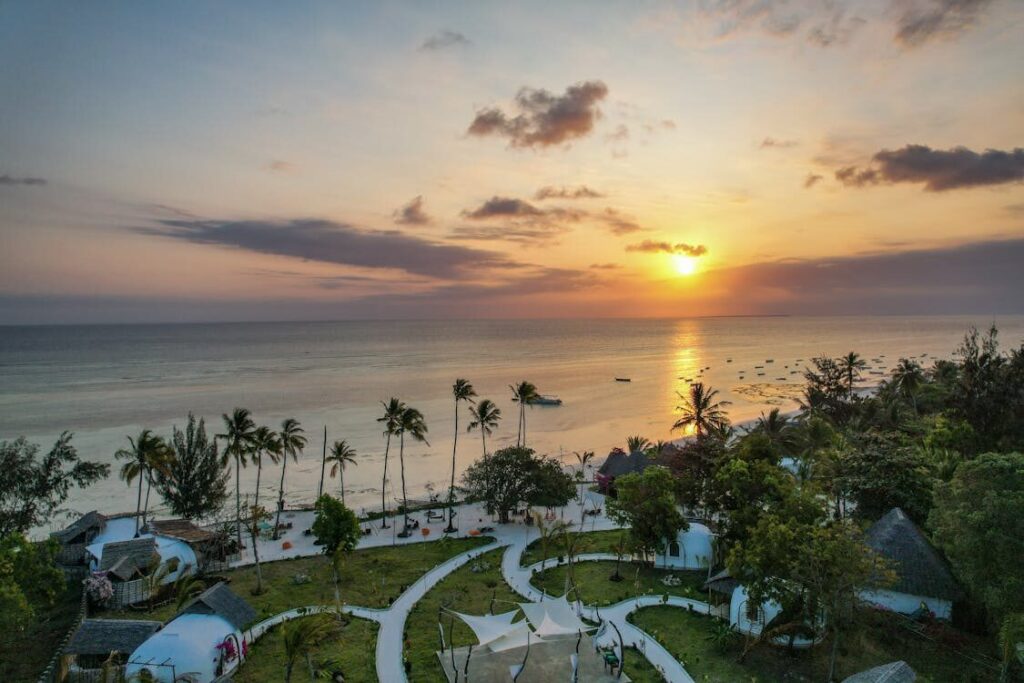
In Zanzibar, travelers can join guided snorkeling and “swim with turtles” tours in shallow lagoons, sea caves, and along colorful reef edges. Just off the island lies Mnemba Atoll, often regarded as Zanzibar’s premier snorkeling site, where green sea turtles are frequently spotted grazing among the coral gardens. Baraka Aquarium on the main island also operates a turtle lagoon, where rehabilitated turtles are kept in semi-captivity before being released back into the ocean. Some tours include the opportunity to observe, feed, or gently snorkel around these turtles under supervision.
The island’s warm waters, year-round tropical climate, and well-developed tourism infrastructure make Zanzibar one of the most reliable destinations for turtle encounters in East Africa. However, it’s worth noting that lagoon or aquarium-based experiences can feel less natural than open-ocean snorkeling, and certain tours may be relatively brief, lasting between 30 minutes and two hours.
Egypt
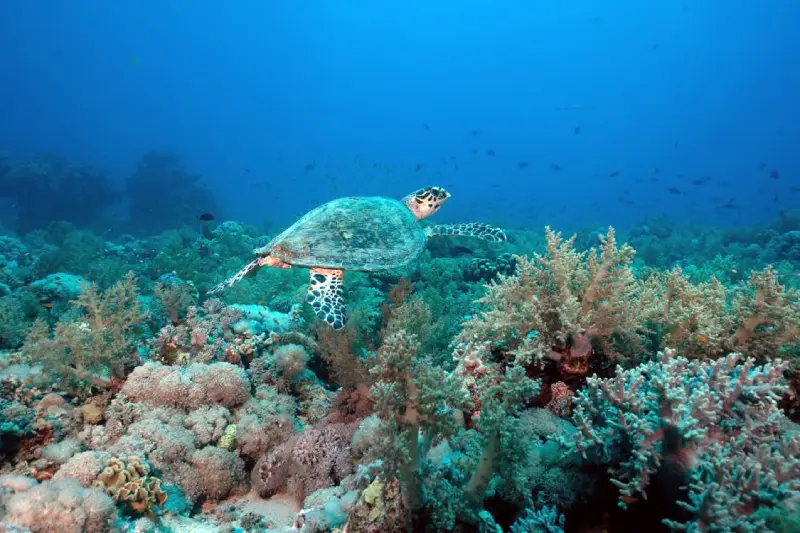
The Egyptian Red Sea coast is one of Africa’s most rewarding areas for snorkeling with turtles. Renowned sites such as Ras Mohammed National Park, the reefs near Hurghada, and the clear bays of Marsa Alam combine rich coral ecosystems with occasional turtle encounters. Many visitors join full-day excursions from Hurghada to Abu Dabbab, a sheltered bay famous for its resident sea turtles and dugongs, or explore Marsa Mubarak, where vibrant coral gardens provide another opportunity to spot turtles gliding gracefully through the water.
The region offers excellent underwater visibility, a wide variety of tour operators, and well-managed marine parks that help protect fragile ecosystems. However, the most popular sites can become busy during peak travel months, and reaching the best reefs often requires a boat trip. While turtle sightings are possible on many tours, they are not guaranteed—on average, visitors have about a 30% chance of encountering one, depending on the season and conditions.
South Africa
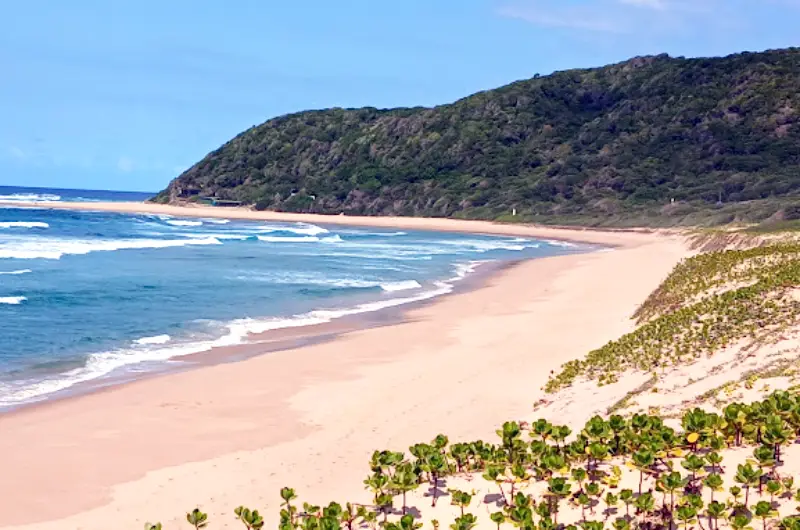
Thonga Beach Lodge, situated within the iSimangaliso Wetland Park in KwaZulu-Natal, South Africa, provides a rare chance to snorkel alongside turtles in a pristine natural setting. Guests can also join guided ocean safaris that explore the broader marine ecosystem, with opportunities to encounter dolphins, rays, and a variety of reef fish. Along this stretch of the Indian Ocean coast, loggerhead and leatherback turtles come ashore to nest during the summer months, making it one of the most important turtle conservation zones in the region.
This area offers a unique combination of marine adventure and wildlife conservation, allowing visitors to pair snorkeling experiences with coastal safari activities. The environment remains relatively untouched, and the focus on sustainable tourism supports long-term protection of turtle populations. However, the waters here can be cooler outside the summer season, and the coastline lacks the extensive coral reef systems found in more tropical island destinations, resulting in a different snorkeling experience.
West Africa and the Atlantic Islands
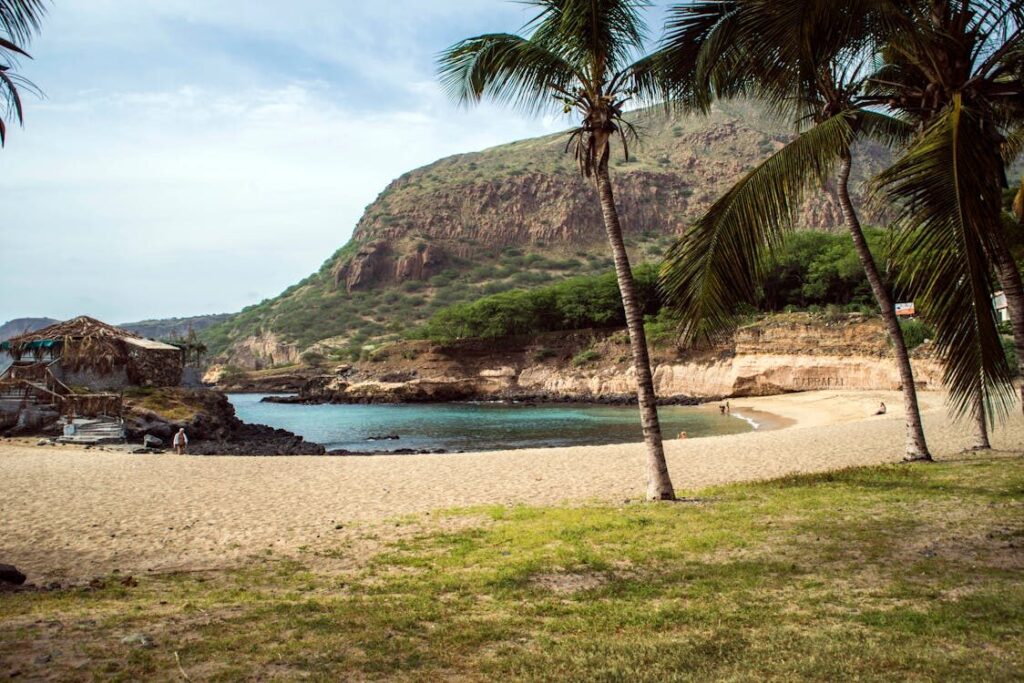
Cape Verde offers limited yet rewarding opportunities for turtle snorkeling, particularly around the island of São Vicente, where calm bays and clear Atlantic waters occasionally host green and loggerhead turtles. Further south, the Bijagós Archipelago in Guinea-Bissau stands out as one of West Africa’s most important ecological sanctuaries. This remote cluster of islands supports significant nesting populations of green turtles and offers some of the most untouched marine environments on the continent. Snorkeling here feels genuinely wild, with minimal tourism infrastructure and a strong emphasis on conservation.
These destinations appeal to travelers seeking solitude, authenticity, and a deep connection with nature. Their low visitor numbers and protected status contribute to high conservation value, ensuring minimal human disturbance. However, reaching these islands requires more complex logistics, and the scarcity of organized tour operators means that planning and local guidance are essential for a safe and successful visit.
Turtle Species in Africa
Africa’s coastlines host five of the world’s seven sea turtle species, offering snorkelers a chance to encounter remarkable marine diversity.
Green turtles are the most common, seen in Zanzibar, Seychelles, and Egypt, often grazing calmly on seagrass meadows near coral reefs. Their smooth, olive-brown shells and gentle behavior make them easy to recognize underwater.
Hawksbill turtles, with their pointed beaks and patterned shells, prefer the coral reefs of East Africa. They feed on sponges and are considered indicators of healthy reef ecosystems.
Loggerhead/leatherback turtles are mainly found along South Africa’s KwaZulu-Natal coast, where they nest between October and February. Loggerheads have large heads suited for crushing shellfish, while leatherbacks have soft, ridged backs and prefer deeper waters.
Olive ridley turtles appear occasionally in West Africa, especially around Guinea-Bissau and Ghana, known for their synchronized mass nesting events called arribadas.
Many of these species return to protected beaches to nest, and several areas restrict access during nesting season to safeguard hatchlings. Understanding these species enriches the snorkeling experience while underscoring the importance of responsible marine tourism across Africa.
Africa’s Top Marine Parks and Protected Areas
Africa’s best turtle snorkeling experiences often take place within marine parks and protected reserves, where conservation efforts ensure thriving coral ecosystems and sustainable tourism. These areas not only safeguard nesting grounds but also provide some of the continent’s clearest, most biodiverse snorkeling waters.
iSimangaliso Wetland Park (South Africa)
A UNESCO World Heritage Site, iSimangaliso protects miles of Indian Ocean coastline where loggerhead and leatherback turtles nest from October to February. Visitors can join guided night walks to witness nesting events or explore nearby reefs through snorkeling and ocean safaris.
Mnemba Atoll Marine Reserve (Tanzania)
Just off the coast of Zanzibar, Mnemba Atoll is world-renowned for its crystal-clear waters and coral diversity. The atoll’s protected status helps sustain healthy populations of green and hawksbill turtles, which are frequently seen grazing among the reefs. Strict visitor limits and licensed tour operators ensure minimal disruption to marine life, making it one of East Africa’s most reliable spots for turtle snorkeling.
Ras Mohammed National Park (Egypt)
Located at the tip of the Sinai Peninsula, Ras Mohammed is Egypt’s oldest and most famous marine park. Its Red Sea coral walls, vibrant fish life, and occasional turtle sightings attract divers and snorkelers year-round. The park is also an important feeding area for turtles and serves as a model for effective marine protection in the region.
João Vieira–Poilão Marine National Park (Guinea-Bissau)
This remote West African sanctuary is one of the world’s most significant nesting grounds for green sea turtles. Access is limited, but conservation-focused tours occasionally allow visitors to observe nesting and hatching under the supervision of local rangers. Its isolation, combined with minimal human impact, makes Poilão one of Africa’s last truly wild turtle habitats.
Together, these parks demonstrate Africa’s commitment to protecting marine biodiversity while offering unforgettable, responsible snorkeling experiences.
Turtle Conservation Efforts and Community Projects
Across Africa, sea turtle conservation has become a shared mission between scientists, local communities, and eco-tourism operators. Many snorkeling destinations now integrate research, rehabilitation, and education programs that help preserve fragile marine ecosystems while offering travelers meaningful ways to contribute.
In Zanzibar, the Mnarani Turtle Conservation Pond in Nungwi stands out as one of the island’s most respected initiatives. The center rehabilitates injured turtles rescued from fishing nets and polluted waters, releasing them once recovered. Visitors can learn about turtle ecology, participate in feeding sessions, and support the project through donations or symbolic adoptions. Similar programs are active around Mnemba Atoll, where guides collaborate with local NGOs to monitor nesting beaches and track turtle movements.
In South Africa, the iSimangaliso Wetland Park Turtle Research Project partners with local communities to protect loggerhead and leatherback nesting sites. Rangers patrol beaches nightly during the nesting season, ensuring eggs remain undisturbed and hatchlings safely reach the sea. Some community-run eco-lodges, such as Thonga Beach Lodge, directly fund these patrols through their guest programs, making every visitor stay part of the conservation effort.
Further north, Egypt’s Red Sea coast hosts initiatives like the Abu Dabbab Turtle Monitoring Project, which gathers data on turtle behavior and promotes responsible snorkeling practices among operators. By choosing licensed guides and adhering to eco-friendly rules, visitors actively support the region’s marine sustainability.
On the West African coast, projects in Guinea-Bissau’s João Vieira–Poilão Marine Park and Ghana’s coastal villages involve local residents in beach monitoring, nest relocation, and youth education campaigns. Limited volunteer opportunities exist through conservation organizations, where travelers can assist with research or sponsor community programs that reduce plastic waste and fishing-related turtle injuries.
Together, these initiatives show how grassroots conservation and responsible tourism can coexist. By selecting eco-certified tours, staying in community-led lodges, or donating to local NGOs, visitors play a direct role in protecting Africa’s sea turtles—ensuring that future generations can experience the same awe-inspiring encounters beneath the waves.